

May 18, 2026
A wholesale buying guide for farm markets, orchards, wineries, gift shops, and specialty retailers preparing for the fall and holiday season.
Seasonal retail is one of the most profitable opportunities for small shops, but it is also one of the least forgiving. A farm market, orchard, winery, or gift shop may have only a few strong weeks to turn fall and holiday traffic into meaningful revenue. Customers come in ready to buy, but they are not simply looking for another product. They are looking for a feeling: warm cider in hand, cinnamon in the air, a gift that feels thoughtful, and a shopping experience that reminds them why they love the season.
That is why seasonal retail mistakes matter so much. A poor buying decision can tie up shelf space, reduce margins, create waste, and leave staff trying to explain products that customers do not immediately understand. A smart seasonal product, on the other hand, can become part of the store’s rhythm. It sells at checkout, supports sampling, fits into gift displays, and gives customers a reason to come back year after year.
For small retailers, the best buying decisions are not based on novelty alone. They are based on proven demand, reliable supply, strong perceived value, and simple customer appeal. This is especially true when choosing seasonal wholesale products for the fall and holiday months.
Why Seasonal Retail Mistakes Are So Expensive for Small Shops
The Fall and Holiday Selling Window Is Short
In everyday retail, a slow product may have months to prove itself. Seasonal inventory does not have that luxury. Fall and holiday products need to perform quickly because customer interest peaks within a narrow window. By the time shoppers are thinking about Thanksgiving gatherings, holiday gifts, cider tastings, and winter entertaining, retailers need their displays ready, stocked, and easy to shop.
This is where many seasonal inventory mistakes begin. A shop orders too late, chooses products without considering sell-through, or fills shelves with items that look festive but do not create enough urgency to buy. In a high-traffic season, every square foot has to work harder.
Shelf Space Should Be Treated Like Seasonal Real Estate
For farm markets, orchards, wineries, and specialty shops, shelf space is not just storage. It is revenue space. A product that does not move can block a better one from selling. This matters even more around checkout counters, tasting rooms, cider bars, and holiday gift displays, where impulse purchases can drive meaningful profit.
The most successful seasonal buyers think beyond wholesale cost. They ask whether a product will attract attention, whether customers will understand it quickly, whether staff can recommend it naturally, and whether it supports repeat sales. Avoiding seasonal retail mistakes starts with choosing products that earn their place in the store.

Mistake #1 — Choosing Trendy Products Instead of Proven Seasonal Products
“Cute” Does Not Always Mean Commercially Strong
Trendy seasonal products can be tempting because they feel fresh. They may look good in photos or seem perfect for a themed display. But a product that is attractive is not always profitable. If customers do not know how to use it, do not see a reason to buy it again, or do not connect it with a familiar seasonal tradition, sales can stall.
Proven seasonal products perform differently. They connect to habits customers already have. Warm drink mixes, cider spices, nostalgic holiday foods, and giftable pantry items work well because shoppers immediately understand the occasion. They can picture the product at home, at a gathering, or in a gift basket.
Repeat Purchases Matter More Than One-Time Curiosity
One of the most overlooked wholesale buying tips is to prioritize products customers can return for every year. Repeat seasonal behavior is powerful. A customer who buys mulling spices in October may come back for another package before Thanksgiving. A winery customer who enjoys mulled wine at a tasting may purchase the mix as a gift. A farm market shopper who remembers the smell of spiced cider may make it part of a family tradition.
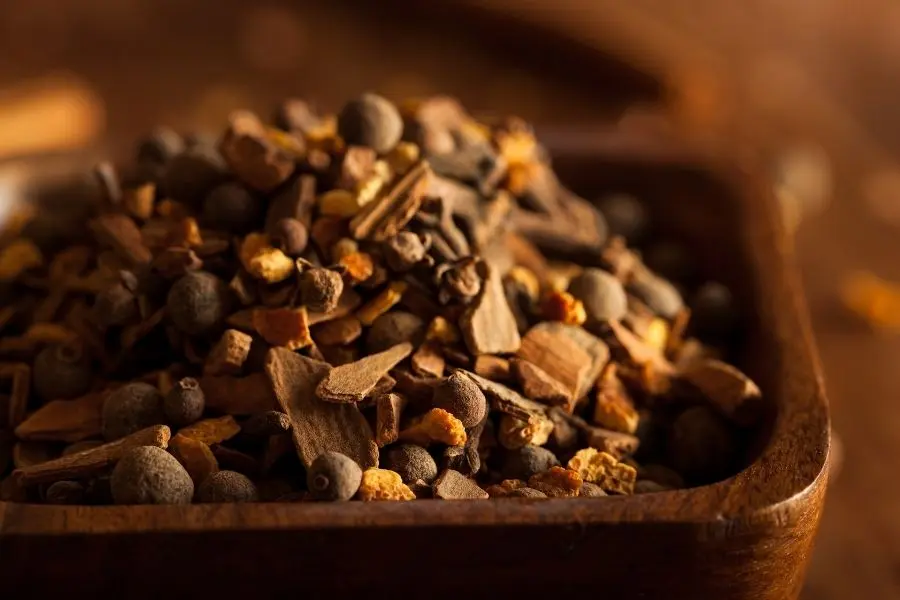
This is why mulling spices for farm markets can be such a strong seasonal category. They are familiar, sensory, easy to use, and connected to the exact emotions customers want during fall and winter. Olde Tradition Spice builds on that behavior with mulling spices designed for cider, wine, tea, gifting, and in-store seasonal displays.
Mistake #2 — Ignoring Shelf Life and Reorder Flexibility
Short Shelf Life Increases Risk
Some seasonal products look profitable until waste is included. Perishable items, fragile goods, or products with short expiration windows can create pressure if the weather changes, traffic slows, or a planned event underperforms. When products cannot carry into the next season, retailers may be forced into markdowns that weaken the original margin.
Long shelf life gives small shops more control. It allows buyers to order with confidence, build displays early, and avoid panic discounting. It also makes reordering less stressful because leftover inventory does not automatically become a loss.
Long-Lasting Products Support Smarter Seasonal Planning
A dependable shelf life is one of the strongest risk-reducing qualities in high-margin seasonal products wholesale buyers should look for. Olde Tradition Spice mulling spices have a 7-year shelf life, which gives retailers flexibility that many fall and holiday products cannot offer. That means a shop can merchandise the product during peak cider season, continue selling it through the holidays, and carry remaining inventory forward without the same waste concerns common with short-life seasonal goods.
For B2B buyers, this matters because confidence is part of profitability. A wholesale product should not make the season harder. It should simplify ordering, merchandising, and reordering.
Mistake #3 — Buying Products Customers Do Not Understand
Simple Products Sell Faster During Busy Seasons
During fall and holiday traffic, shoppers often move quickly. They may be buying apples, wine, gifts, decorations, baked goods, or cider all in one visit. If a product requires too much explanation, the sale may be lost.
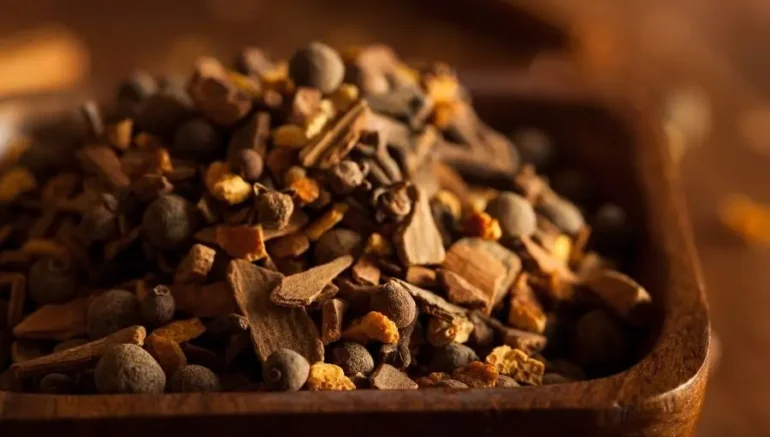
The best products that sell themselves are easy to understand at a glance. Customers know what they are buying, how to use it, and why it fits the season. Mulling spices perform well in this environment because the experience is clear. Add them to cider, wine, or tea. Let them simmer. Fill the room with cinnamon, clove, orange peel, and the warm scent of the holidays.
Sampling and Recipes Turn Interest Into Purchases
A product becomes easier to sell when customers can smell it, taste it, or imagine using it. A farm market serving warm cider can place Olde Tradition Spice mulling spices near the cup station or register. A winery can feature a mulled wine suggestion during cooler months. A gift shop can pair the product with mugs, local honey, cider, or holiday baskets.
Recipe cards, clear signage, and simple packaging all reduce hesitation. They also reduce the burden on staff, which matters when seasonal traffic is high. For retailers looking for a wholesale holiday drink mix supplier, sales support and customer education can be just as valuable as the product itself.
Mistake #4 — Focusing Only on Price Instead of Margin
The Lowest Cost Product Is Not Always the Most Profitable
Many seasonal retail mistakes happen when buyers focus too heavily on unit cost. A cheaper product may look attractive on a purchase order, but if it sells slowly, feels generic, or needs to be discounted, the final margin may disappoint.
Margin should be understood through sell-through, not cost alone. Sell-through measures how much inventory sells during a defined period. A product with a slightly higher wholesale cost but stronger sell-through, better gift appeal, and lower waste risk may deliver better results than a lower-cost item that customers ignore.
Premium Products Create Better Perceived Value
Small retailers often compete by offering products customers cannot find everywhere. A premium seasonal item gives shoppers a reason to buy from a farm market, orchard, winery, or specialty shop instead of a mass retailer. It feels more personal, more giftable, and more connected to the place they are visiting.
Olde Tradition Spice mulling spices support that premium perception with an all-natural, sugar-free blend, strong seasonal aroma, and packaging suited for retail displays. For shops searching for best-selling fall products for gift shops, this combination is important because customers are not only buying flavor. They are buying a seasonal memory they can take home.
Mistake #5 — Waiting Too Long to Prepare for Fall and Holiday Traffic
Early Ordering Creates Better Displays
The best fall displays rarely happen at the last minute. They are planned early, stocked before traffic peaks, and designed to create anticipation. By late summer or early fall, successful shops are already thinking about cider season, Thanksgiving hosting, holiday gifting, and winter drink displays.
Waiting too long can limit product availability and reduce merchandising options. It can also leave staff unprepared to sample, explain, or display products effectively. One of the most practical wholesale buying tips is to order seasonal anchors early, then reorder based on traffic.
The Best Shops Sell the Season Before the Holiday Arrives
Customers begin responding to fall long before the calendar says winter. The first cool morning, the first apple picking trip, or the first cup of warm cider can trigger seasonal buying. A shop that smells like cinnamon and cider in September creates a different emotional experience than one that waits until December.
Olde Tradition Spice understands this rhythm because its products are designed around the sensory side of seasonal retail. The aroma of mulling spices helps a store feel warmer, more festive, and more memorable. That emotional connection can lead directly to stronger product movement.
What Smart Retailers Look for in Seasonal Wholesale Products
Smart buyers look for products that combine customer appeal with operational reliability. They want strong margins, dependable shipping, easy reordering, attractive packaging, and a product story that staff can explain in one sentence. They also want items with broad use cases, because a product that works for cider, wine, tea, gifts, and sampling has more ways to sell.
For orchards and farm markets, Olde Tradition Spice mulling spices fit naturally alongside cider, apples, baked goods, and fall décor. For wineries, they create an easy mulled wine opportunity. For gift shops, they offer a nostalgic, practical, and affordable holiday item. For specialty retailers, they provide a proven seasonal product that feels warm, authentic, and easy to merchandise.
This is what makes seasonal wholesale products valuable: they help the retailer create a better customer experience while supporting measurable business goals.
How the Olde Tradition Spice Wholesale Program Helps Small Shops Sell More
A Reliable Partner for Orchards, Wineries, and Farm Markets
Olde Tradition Spice works with seasonal retailers that need products they can trust during their busiest months. The brand is built around tradition, quality, and dependable wholesale support, with mulling spices that are especially well suited for farm markets, orchards, wineries, cider mills, gift shops, and holiday retailers.
For business buyers, the value is not only in the product. It is in the reduced risk. Olde Tradition Spice offers a product with long shelf life, strong sensory appeal, repeat purchase potential, and clear customer use cases. That combination helps small shops avoid common seasonal retail mistakes and focus on selling with confidence.
Private Label and Display Options Support Retail Growth
Private label mulling spices can help retailers strengthen their own brand while offering a product customers already understand. Custom display options can make merchandising easier and more professional. For shops that want to build a recognizable seasonal program, Olde Tradition Spice provides more than inventory. It provides a wholesale product that can become part of the store’s fall and holiday identity.
A Seasonal Product Customers Remember
At its best, seasonal retail is not just about transactions. It is about becoming part of a customer’s tradition. When shoppers associate your store with warm cider, welcoming displays, thoughtful gifts, and the scent of the holidays, they have a reason to return.
Olde Tradition Spice mulling spices help retailers create that experience in a way that is simple, profitable, and easy to repeat year after year.
FAQ: Seasonal Retail Mistakes and Wholesale Buying Tips
What seasonal products sell best in small retail shops?
The strongest seasonal products are easy to understand, giftable, sensory, and connected to familiar traditions. Warm drink mixes, cider products, mulling spices, nostalgic foods, and holiday pantry items often perform well because customers can immediately imagine using them at home or giving them as gifts.
How early should retailers order holiday inventory?
Retailers should begin planning fall and holiday inventory before peak traffic begins. Many successful shops prepare displays in late summer or early fall so they are ready for cider season, Thanksgiving shopping, and holiday gifting.
What makes a seasonal wholesale product profitable?
A profitable seasonal wholesale product has strong sell-through, healthy margin potential, low waste risk, clear customer appeal, and reliable reorder availability. Long shelf life is especially valuable because it reduces pressure to discount unsold inventory.
How can small shops reduce seasonal inventory waste?
Small shops can reduce waste by choosing proven seasonal products, avoiding items with short shelf lives, ordering from dependable suppliers, using sampling to drive interest, and selecting products that can sell across multiple occasions.